
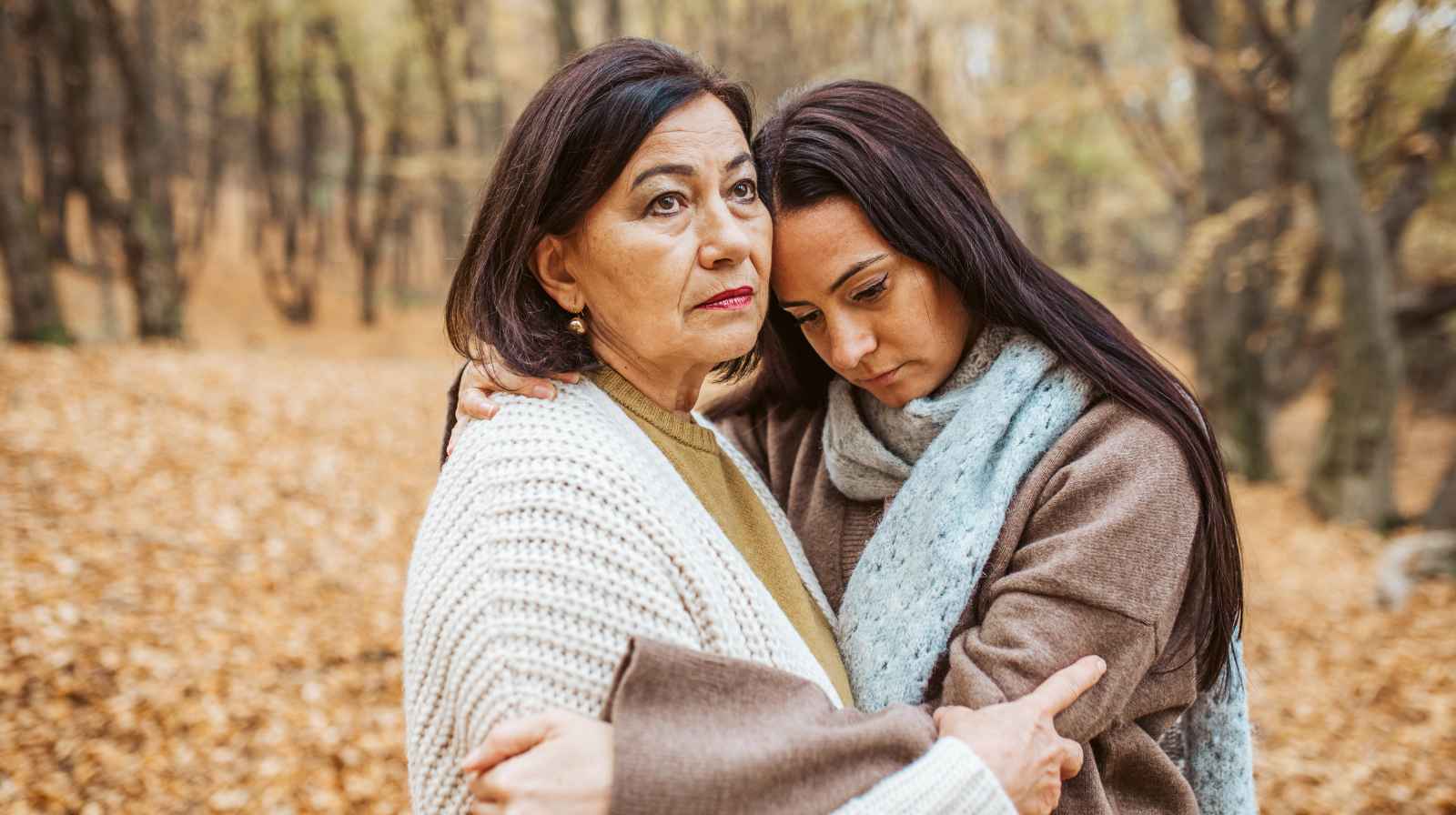
When an Israeli soldier makes the ultimate sacrifice in defense of their homeland, the pain and devastation don't end with the funeral. Behind every fallen hero stands a family—widows, children, and loved ones—whose lives are forever shattered in a single, devastating moment. The question that haunts these families is not just how to cope with grief, but how to rebuild a future that suddenly seems impossible. This is where the IDF Widows and Orphans Organization steps in, offering not just temporary relief, but a lifelong commitment to supporting these bereaved families through every stage of their journey.
What Makes the IDF Widows and Orphans Organization Unique Among Support Services?
The IDF Widows and Orphans Organization is a nonprofit organization founded in 1991, and operates on the basis of the Fallen Soldiers' Families Law, with the aim of supporting and empowering the widows and orphans of fallen servicemen of the IDF and other security personnel, and to create a supportive community for bereaved families. Unlike other charitable organizations that offer general assistance, this organization is the only official body in Israel specifically dedicated to representing and supporting the spouses and children of fallen soldiers, police officers, and security personnel. This includes members of the Israel Police, the Israel Security Agency, Mossad, Israel Prison Service, and civilian emergency response units.
What sets this organization apart is its comprehensive, multi-layered approach to support. Rather than providing one-time aid or focusing solely on financial assistance, the organization accompanies families from the moment of their loss through every major milestone in their lives. This could mean supporting a widow as she navigates the immediate aftermath of losing her spouse, helping israel orphans transition through their teenage years, or celebrating with adult orphans as they get married or start their own families. The organization's reach extends to more than eight thousand widows and children across Israel, each receiving personalized, ongoing care tailored to their unique circumstances.
How Does Emotional and Psychological Support Help Bereaved Families Heal?
Grief is not a linear process, and the loss of a spouse or parent in military service carries its own unique trauma. Widows often struggle with profound isolation, feeling that others cannot truly understand the weight of their loss. Orphans, particularly young children, face the developmental challenge of growing up without a parent's guidance, love, and protection. Recognizing these distinct emotional needs, the organization provides comprehensive mental health services through individual counseling, support groups, and therapeutic retreats designed to create safe spaces for processing grief.
Support groups play a particularly vital role, bringing together widows who share similar experiences and can offer each other understanding that friends and extended family may not be able to provide. These groups become communities of strength, where women can openly discuss their struggles, celebrate their resilience, and find solidarity in shared pain. For orphans, the organization offers age-appropriate programs including camps, workshops, and peer support initiatives that help them navigate loss while still experiencing the joys of childhood and adolescence. According to the National Center for PTSD, peer support significantly improves outcomes for those dealing with traumatic loss, validating the organization's community-centered approach.
What Financial Assistance Programs Address the Economic Challenges Widows Face?
The death of a family's primary breadwinner often creates immediate financial instability. Widows suddenly find themselves responsible for all household expenses, children's education, and medical costs, often while trying to establish or re-establish their own careers. The organization addresses these economic pressures through multiple financial assistance programs including direct grants, scholarships for widows pursuing education or vocational training, and medical assistance for those requiring specialized healthcare not covered by standard insurance.
Educational scholarships represent a particularly impactful investment in the future. The organization provides funding for widows seeking to develop professional skills or complete academic degrees, enabling them to achieve financial independence and rebuild their lives with dignity. For orphans, scholarships cover university tuition, vocational training, and other educational expenses, ensuring that the loss of a parent doesn't foreclose opportunities for personal and professional growth. These programs recognize that true support means more than meeting immediate needs—it means investing in long-term stability and self-sufficiency.
How Do Community and Social Programs Foster Connection and Resilience?
Isolation is one of the most painful aspects of bereavement. Many widows describe feeling disconnected from their previous social circles, as friends struggle to relate to their grief or simply don't know how to help. The organization actively combats this isolation through community-building initiatives that bring members together for social events, holiday celebrations, and shared experiences. These gatherings serve multiple purposes: they reduce loneliness, create opportunities for mutual support, and remind families that they belong to a larger community that honors their sacrifice and stands with them through their grief.
For children and young adults, the organization's camps and recreational programs provide essential spaces to simply be kids or teenagers, even while carrying the weight of loss. The Otzma Camps, held during school breaks, allow orphans aged six to eighteen to connect with peers who understand their experience, participate in enriching activities, and build friendships that often last a lifetime. The Otzma Plus program extends this support to orphans aged nineteen to twenty-nine, recognizing that young adults face unique challenges as they navigate higher education, military service, career development, and relationships without parental guidance.
Why Does Legislative Advocacy Matter for Widows and Orphans' Rights?
Beyond direct services, the organization plays a crucial role as an advocate at the national level, working with Israel's Ministry of Defense, government, and Knesset to improve legislation affecting bereaved families. This advocacy ensures that the voices of widows and orphans are heard in policy discussions and that their rights are protected and expanded. According to research from Harvard Law School, effective advocacy organizations can dramatically improve outcomes for vulnerable populations by influencing systemic change.
The organization is democratically governed, with leadership elected by members every four years. This structure ensures that the organization remains responsive to the actual needs of the families it serves, rather than operating on assumptions about what bereaved families need. The organization's commitment to advocacy recognizes that lasting support requires not just individual assistance but systemic change that ensures all widows and orphans receive the recognition, resources, and respect they deserve.
The comprehensive support provided by this organization transforms grief into resilience, isolation into community, and uncertainty into hope, ensuring that no widow or orphan faces their future alone.